Finding the right computer can feel tricky. Especially when you look for the lenovo latest laptop model. It’s a popular choice, but sometimes all the options can be a bit much for someone new to tech.
Don’t worry! This guide makes it super simple. We’ll walk through everything step-by-step.
Get ready to find the perfect laptop for you. We’ll cover all the basics and more.
Key Takeaways
- You will learn what makes a Lenovo laptop stand out.
- We will explain different types of Lenovo laptops.
- Key features to look for in the newest models will be covered.
- Simple advice for choosing the best fit for your needs is provided.
- Tips for getting the most out of your new Lenovo laptop are shared.
Discovering the Lenovo Latest Laptop Model
Lenovo is a big name in computers. They make many different kinds of laptops. Each new model comes with fresh features.
This can make picking one feel a bit confusing. We’ll break down what makes Lenovo laptops special. You’ll see why they are a top pick for many people.
We will talk about their design, how they perform, and what makes them good for everyday tasks and more.
What Makes Lenovo Laptops Stand Out
Lenovo laptops are known for a few key things. They often have strong build quality. This means they can last a long time.
Many users like their keyboards. They are often comfortable for typing for long periods. Lenovo also offers a wide range of prices.
This helps people with different budgets find something suitable.
They also pay attention to innovation. You might find features like fingerprint readers for quick logins. Some models have touchscreens or can fold into tablet modes.
These extras can make using your laptop more convenient and fun.
A significant reason for Lenovo’s popularity is their variety. They make laptops for students, professionals, gamers, and general home users. This means there is likely a Lenovo laptop designed for almost any task you can imagine.
We’ll explore some of these categories soon.
Understanding Lenovo’s Product Lines
Lenovo has several main groups of laptops. Think of them as families, each with its own strengths. The IdeaPad line is usually great for everyday use.
These are good for browsing the web, schoolwork, and watching videos. They offer a good balance of features and price.
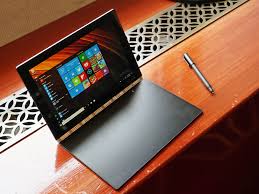
The Yoga line is more premium. These laptops often have unique designs, like being able to bend all the way back. They are excellent for people who want a bit of everything: performance, touchscreens, and a stylish look.
They are good for creative tasks too.
For business users, there’s the ThinkPad line. These are built to be tough and reliable. They usually have excellent keyboards and security features.
ThinkPads are workhorses, designed for long hours of demanding use.
Gamers often look at the Legion series. These laptops have powerful graphics cards and processors. They are made to run demanding video games smoothly.
They also have advanced cooling systems to keep them from overheating during intense gaming sessions.
Knowing these lines helps narrow down your search. The lenovo latest laptop model will belong to one of these families, each offering a specific experience.
IdeaPad Series for Daily Tasks
The IdeaPad family is like the reliable friend you can count on. It’s perfect for students, families, or anyone who needs a solid laptop for common tasks. You can browse the internet, check emails, stream your favorite shows, and do your homework without any trouble.
They are designed to be user-friendly and affordable.
You’ll often find IdeaPads with comfortable screens for viewing. The designs are usually clean and simple, fitting well in any home or office. They offer a good mix of processing power for everyday speed and battery life to get you through the day.
Yoga Series for Flexibility and Style
Yoga laptops are where Lenovo shines in innovation and design. These machines often have a premium feel and look. A special feature is their 360-degree hinge.
This lets you flip the screen around to use it like a tablet. It’s great for drawing, note-taking, or just relaxing with a movie.
They often come with higher-quality displays. This means colors look brighter and sharper. Performance is usually strong, making them good for photo editing or light video work.
If you want a laptop that can do more and looks good doing it, the Yoga line is a strong contender.
ThinkPad Series for Business Professionals
ThinkPads are legendary in the business world. They are built for productivity and dependability. Their keyboards are often praised for their comfort and accuracy.
This is a big deal if you type a lot for work. ThinkPads also focus on security. Features like fingerprint scanners and advanced data protection help keep your information safe.
These laptops are made to withstand a lot. They often pass tough durability tests. This means they can handle being moved around a lot, which is common for business travelers.
Performance is geared towards business applications, ensuring smooth operation of work software.
Legion Series for Gaming Enthusiasts
When it comes to playing the latest video games, Lenovo’s Legion laptops are top-tier. These machines pack serious power. They have dedicated graphics cards that make games look amazing.
The screens refresh very quickly, so fast action looks smooth and clear. This gives gamers an advantage.
Legion laptops also feature advanced cooling systems. This is important because powerful components generate a lot of heat. Keeping them cool ensures they run at their best for longer.
The designs are often bold and have customizable lighting, fitting the gaming aesthetic.
Key Features of the Lenovo Latest Laptop Model
When you look at a lenovo latest laptop model, there are specific features to pay attention to. These are the bits that make it perform well and fit your needs. Think about the screen size and type.
Do you want something small and portable, or a larger display for more space? Also, consider the processor. This is like the laptop’s brain; a better processor means it can do tasks faster.
Storage is another big one. How much space do you need for your files and programs? Memory, or RAM, also plays a role.
More RAM helps the laptop run multiple programs at once without slowing down. We’ll break down these important parts so you know what to look for.
Processor Power and Performance
The processor is the engine of your laptop. For the lenovo latest laptop model, you’ll likely see options from Intel (like Core i5, i7, or i9) or AMD (like Ryzen 5, 7, or 9). Generally, a higher number (like i7 over i5) means more power.
This is important if you plan to run demanding software, edit videos, or play games.
For everyday tasks like web browsing, email, and word processing, a Core i3 or Ryzen 3 might be enough. But if you multitask a lot or use heavy applications, aiming for a Core i5/Ryzen 5 or higher is a good idea. A powerful processor ensures your laptop feels fast and responsive, saving you time and frustration.
Think of it this way: If you’re baking a cake, a weaker processor is like a small whisk that takes ages to mix the batter. A strong processor is like a powerful stand mixer that does the job quickly and smoothly. This difference is noticeable when you’re trying to get things done efficiently.
Intel vs. AMD Processors
Both Intel and AMD make excellent processors. Intel’s Core series processors are widely popular. They offer a good balance of performance and energy efficiency, which helps with battery life.
For example, an Intel Core i7 processor can handle demanding tasks and still be relatively power-conscious.
AMD’s Ryzen processors have become very competitive. They often offer strong multi-core performance, which is great for tasks that use many cores at once, like video rendering or complex simulations. In some price ranges, AMD might offer more raw power for your money.
When choosing, look at the specific model number. For example, an Intel Core i7-12700H is a high-performance chip. A simple Intel Core i5-1235U is designed for more general use and better battery life.
It’s a good idea to do a quick search for reviews of specific processors if you’re unsure which one is best for your needs.
Display Quality and Size
The screen is what you look at most. For a lenovo latest laptop model, you’ll find different screen sizes. Common sizes are 13 inches, 14 inches, and 15.6 inches.
Smaller sizes are lighter and easier to carry. Larger sizes offer more viewing area, which is nice for multitasking or watching movies.
Resolution also matters. Full HD (1920 x 1080 pixels) is standard and looks good. Some higher-end models offer 2K or 4K resolutions, which provide even sharper images.
The type of display matters too. IPS panels offer wide viewing angles and better color accuracy, making them great for creative work or watching movies with friends.
Touchscreens are a common option on many Lenovo laptops, especially Yoga models. These let you interact with your laptop by tapping and swiping, like a smartphone or tablet. This can be very convenient for some tasks.
Some screens are also glossy, which makes colors pop but can have glare. Others are matte, reducing glare but sometimes making colors appear a bit less vibrant.
Screen Size Considerations
Choosing the right screen size is about balancing portability with usability. A 13-inch laptop is super light. You can easily slip it into a small bag and take it anywhere.
It’s ideal if you travel a lot or move between different workspaces often.
A 14-inch laptop is a popular middle ground. It offers a bit more screen real estate than a 13-inch without adding too much weight. It’s a good choice for general productivity and entertainment.
A 15.6-inch screen provides a spacious view. This is great if you spend a lot of time working with spreadsheets, editing photos, or simply prefer a larger display for comfort. However, these laptops are generally heavier and bulkier, making them less ideal for frequent travel.
Resolution and Panel Types
Screen resolution determines how sharp the image looks. Full HD (FHD) is the standard and offers a clear picture for most uses. For instance, watching a movie or reading text on an FHD screen is generally pleasant.
Higher resolutions like QHD (2560 x 1440) or 4K (3840 x 2160) display much finer detail. Colors appear more vivid, and text is incredibly crisp. These are excellent for professionals who need high visual accuracy, like graphic designers or photographers.
However, they can also use more battery power.
The panel type is also important. IPS (In-Plane Switching) panels are common in good quality laptops. They offer excellent color reproduction and wide viewing angles.
This means the image looks consistent even if you’re not looking at the screen directly from the front. Other panel types might be cheaper but offer less impressive visuals or viewing angles.
Storage and Memory (RAM)
For the lenovo latest laptop model, you’ll encounter two main types of storage: Hard Disk Drives (HDDs) and Solid State Drives (SSDs). SSDs are much faster than HDDs. They make your laptop boot up quickly, launch apps in seconds, and load files almost instantly.
Most modern laptops, including the latest Lenovo models, use SSDs.
Storage capacity is measured in gigabytes (GB) or terabytes (TB). 256GB is a good starting point for basic use. 512GB or 1TB is better if you store a lot of photos, videos, or large programs.
More RAM (Random Access Memory) allows your laptop to handle multiple tasks at once. 8GB is standard for everyday use. 16GB or more is recommended for heavy multitasking, gaming, or creative work.
Think of RAM as your desk space. If you have a small desk, you can only work on a few things at once. If you have a large desk, you can spread out many projects and switch between them easily.
More RAM means your laptop can handle more open programs smoothly.
Solid State Drives (SSDs) vs. Hard Disk Drives (HDDs)
SSDs are a significant upgrade from older HDDs. They use flash memory, similar to USB drives, but much faster. This means your operating system will load in seconds, and your favorite applications will open almost instantly.
Booting up your laptop from a cold start might take 10-20 seconds with an SSD, compared to a minute or more with an HDD.
SSDs also have no moving parts. This makes them more durable, less prone to damage from drops or bumps, and silent. HDDs have spinning platters and read/write heads that move, making them slower and more fragile.
While HDDs often offer more storage for the price, the speed and responsiveness of an SSD are usually worth the investment for a new laptop.
The lifespan of an SSD is also very long. They are designed to endure a high number of read and write cycles, meaning they can handle a lot of data being stored and retrieved over their lifetime. For most users, an SSD will last for many years without issue.
Understanding RAM Needs
RAM is crucial for multitasking. If you often have many browser tabs open, a word document, an email client, and perhaps a music player running simultaneously, you need enough RAM to support this activity. 8GB of RAM is generally sufficient for basic computing tasks like web browsing, email, and streaming media.
However, for a smoother experience with more demanding applications or heavier multitasking, 16GB of RAM is highly recommended. This will allow you to switch between different programs quickly and prevent the system from slowing down. For power users, gamers, or video editors, 32GB or more might be beneficial, though it’s often overkill for average users.
The amount of RAM can significantly impact the overall performance and responsiveness of your laptop. A common scenario is opening a large file, and the laptop freezes for a few moments. This often happens when the system runs out of available RAM and has to rely on slower storage to manage the data.
Having adequate RAM prevents this.
Connectivity and Ports
Having the right ports on your lenovo latest laptop model is very important. You need them to connect your accessories, like mice, keyboards, or external hard drives. Most modern Lenovo laptops will have USB-A ports, which are the older, rectangular ones.
They also usually include USB-C ports, which are smaller and can do more, like transfer data quickly or even charge your laptop.
HDMI ports are common for connecting to external monitors or TVs. An SD card reader is useful for photographers. Some laptops might have Ethernet ports for wired internet connections, though many thinner models rely on Wi-Fi.
Check what ports are available to ensure you can connect everything you need without needing lots of adapters.
USB Ports Explained
USB (Universal Serial Bus) ports are the most common way to connect devices. You’ll likely find USB-A ports, which have been around for years. These are good for connecting older devices like keyboards, mice, or USB flash drives.
They come in different speeds, but most new ones are USB 3.0 or higher, offering fast data transfer.
USB-C is the newer, smaller, oval-shaped port. It’s reversible, meaning you can plug it in either way up. USB-C can handle faster data speeds, display output (like connecting to a monitor), and power delivery (charging your laptop or other devices).
Many laptops now feature multiple USB-C ports, sometimes replacing some USB-A ports.
The latest standard is USB 4, which uses the USB-C connector and offers very high speeds, similar to Thunderbolt. If your laptop has USB-C ports, check if they support Thunderbolt technology, as this offers the fastest data transfer rates and the ability to connect multiple high-resolution displays.
HDMI and Other Connections
An HDMI port is standard on many laptops. It’s used to connect your laptop to an external display, like a monitor or a television. This is great for presentations, watching movies on a bigger screen, or extending your workspace.
The quality of the video and audio signal is excellent through HDMI.
You might also find an SD or microSD card reader. This is very handy if you use a camera or other devices that store photos and videos on memory cards. It allows you to transfer files directly to your laptop without needing a separate adapter.
Some laptops have dedicated Ethernet ports for a wired internet connection, which is often more stable and faster than Wi-Fi, especially for large downloads or online gaming.
Headphone/microphone combo jacks are also common, allowing you to plug in a single headset. Always check the specific ports available on the lenovo latest laptop model you are considering to make sure it meets your connectivity needs.
Choosing Your Perfect Lenovo Laptop
Picking the right lenovo latest laptop model involves thinking about what you’ll use it for most. Are you a student who needs something light for classes? Or perhaps a gamer who needs top-notch graphics?
Knowing your primary use helps you decide on the screen size, processor, and graphics card. Don’t get swayed by features you won’t use. Focus on what truly matters for your daily tasks.
Also, consider your budget. Lenovo offers laptops at many price points. You can find excellent options for less than $500, and high-end models that go well over $1500.
Think about how long you want the laptop to last and what features are essential versus nice-to-have. We will guide you through making this important decision.
Matching Your Needs to a Model
For students, portability and battery life are often key. An IdeaPad or a smaller Yoga model with a 13 or 14-inch screen would be a great choice. Look for decent storage for documents and research papers.
A processor like an Intel Core i5 or AMD Ryzen 5 will handle typical student tasks with ease.
If you’re a professional, a ThinkPad is a solid option. They offer reliability, security, and excellent keyboards for long work sessions. A 14 or 15-inch screen provides good workspace.
Consider a Core i7 or Ryzen 7 processor for demanding business software and ample RAM (16GB is a good target).
For creative professionals, a high-end Yoga or a workstation-class laptop might be suitable. You’ll want a high-resolution, color-accurate display. A powerful processor and plenty of RAM (16GB or more) are essential for photo editing, video editing, or graphic design.
A dedicated graphics card can also be very beneficial.
Gamers should look at the Legion series. These have the powerful processors and graphics cards needed for modern games. Fast refresh rate displays are also crucial for smooth gameplay.
Ensure the cooling system is robust to handle the heat generated by high-performance components.
Budget-Friendly Options
You don’t always need the most expensive laptop to get great performance. Lenovo’s IdeaPad line offers many budget-friendly choices. You can often find models with Intel Core i3 or AMD Ryzen 3 processors, 8GB of RAM, and 256GB SSDs for under $500.
These are perfect for web browsing, streaming, email, and basic schoolwork.
Look for sales and promotions. Retailers often have discounts on popular Lenovo models. Sometimes, buying a model from the previous year can save you money without a significant loss in performance for everyday tasks.
Always compare specifications carefully to ensure the cheaper model still meets your minimum requirements.
Premium Choices and High Performance
If your budget allows, the premium lines like Yoga and ThinkPad offer enhanced features. These laptops boast better build materials, superior displays, and more powerful components. For instance, a premium Yoga might feature a 4K OLED display, an Intel Core i9 processor, 32GB of RAM, and a dedicated graphics card.
These machines are built for demanding tasks and offer a luxurious user experience. They are ideal for content creators, power users, or anyone who wants the very best performance and features. Investing in a premium model often means a laptop that will remain powerful and capable for many years to come.
The Importance of Reviews and Benchmarks
Before buying any lenovo latest laptop model, it’s smart to read reviews. Real users and tech experts often share their experiences. They will tell you about things like battery life, how hot the laptop gets, or if it makes any strange noises.
These real-world tests are very valuable.
Tech websites also perform benchmarks. These are tests that measure how fast the processor is, how well the graphics card performs, and how quickly the storage drive reads and writes data. Comparing these benchmark scores for different laptops can give you a good idea of their performance capabilities.
This helps you make an informed choice.
Reading User Reviews
User reviews are gold. They offer practical insights into daily use. You can find reviews on retail websites like Amazon, Best Buy, or directly on Lenovo’s site.
Look for common themes. If many users complain about the same issue, it’s likely a real problem.
Pay attention to comments about build quality, keyboard comfort, screen brightness, and battery life. A laptop might have amazing specs on paper, but if users find the screen too dim or the battery drains too quickly, it might not be the right choice for you. Also, check the frequency of positive and negative feedback.
A few negative reviews are normal, but a large number could be a red flag.
Understanding Benchmark Scores
Benchmarks are standardized tests that measure a computer’s performance. For CPUs (processors), tests like Cinebench measure how quickly the processor can render a 3D scene. For GPUs (graphics cards), tests like 3DMark simulate gaming performance.
Storage speed is often tested by measuring how fast data can be read and written.
These scores allow for direct comparison between different laptops, even if their specifications look similar. For example, two laptops might both have an Intel Core i7 processor, but benchmark results might show one is slightly faster due to better cooling or system optimization. Websites like PassMark, Tom’s Hardware, and Notebookcheck often provide detailed benchmark results for various laptops.
For gaming laptops, frame rates per second (FPS) in popular games are the most critical benchmark. A laptop that can consistently achieve 60 FPS in a game at medium settings is generally considered good, while one that can do the same at high settings is excellent. These scores help quantify performance differences that might not be obvious from just looking at specs.
Tips for Maintaining Your Lenovo Laptop
Once you have your new lenovo latest laptop model, taking good care of it will help it last longer. Simple habits make a big difference. Keep the laptop clean, especially the vents where air flows to keep it cool.
Avoid eating or drinking near it. Also, make sure to keep your software updated. This includes Windows and any Lenovo-specific programs.
These updates often fix bugs and improve security. We will share some easy tips to keep your laptop running smoothly.
Keeping Your Laptop Clean
Dust can build up inside your laptop, especially in the cooling vents. This can cause the laptop to overheat, which can slow down performance and shorten its lifespan. You can gently clean the vents using compressed air.
Hold the can upright and spray short bursts into the vents.
The screen can be cleaned with a soft, lint-free cloth. You can slightly dampen the cloth with water or a special screen cleaner. Avoid using harsh chemicals or abrasive materials, as they can damage the screen’s coating.
The keyboard can be cleaned by turning the laptop upside down and gently shaking it. You can also use a soft brush to remove debris from between the keys.
Regular cleaning not only keeps your laptop looking good but also helps maintain its performance and longevity. A clean laptop runs cooler and more efficiently, which translates to a better user experience over time.
Cleaning the Exterior and Screen
For the exterior casing, a soft microfiber cloth is best. You can use a slightly damp cloth if needed for stubborn marks. For the screen, always use a dedicated screen cleaner or just a very lightly damp microfiber cloth.
Never spray liquid directly onto the screen; spray it onto the cloth first.
When cleaning, be gentle. Avoid pressing too hard, especially on the screen. For keyboards, a soft brush can be very effective at dislodging crumbs and dust.
Some people use sticky notes to lift debris from between keys. Make sure the laptop is turned off and unplugged before cleaning.
Maintaining Cooling and Performance
The cooling system in a laptop is crucial. It prevents the components from overheating, which can lead to performance throttling and long-term damage. Ensure the laptop’s vents are never blocked.
This means not using it on soft surfaces like beds or couches that can obstruct airflow.
If you notice your laptop is running hotter than usual or its fan is constantly loud, it might need a more thorough cleaning. Compressed air is a good DIY solution for light dust buildup. For deeper cleaning, especially if you’re comfortable, you might consider opening the laptop to clean the fans and heatsinks directly, but this should only be done if you are knowledgeable or by a professional to avoid damage.
Software Updates and Security
Keeping your software up-to-date is vital for both performance and security. Windows updates often include important security patches that protect your laptop from viruses and malware. Lenovo also releases driver updates and utility software that can improve the performance and stability of your laptop.
Ensure that automatic updates are enabled for Windows. You can also check for Lenovo-specific updates through the Lenovo Vantage app, which is usually pre-installed on new laptops. Regularly running antivirus scans with a reputable program is also a must.
This helps detect and remove any threats before they can cause harm.
Windows and Driver Updates
Windows updates are released regularly by Microsoft. They contain security fixes, performance improvements, and new features. It’s important to install these updates promptly.
You can check for updates by going to Settings > Update & Security > Windows Update.
Lenovo also provides drivers for various components of your laptop, such as graphics cards, Wi-Fi adapters, and touchpads. These drivers ensure that your hardware works correctly and efficiently with the operating system. The Lenovo Vantage application is the easiest way to manage these updates.
It will scan your system and recommend any available driver or firmware updates.
Installing these updates is usually straightforward. The system will guide you through the process, and sometimes a restart is required. Keeping both your operating system and hardware drivers up-to-date is a fundamental aspect of maintaining a healthy and secure laptop.
Antivirus and Malware Protection
Even with updates, your laptop can still be vulnerable to malicious software (malware), including viruses, ransomware, and spyware. It is essential to have a good antivirus program installed and running at all times. Windows comes with Windows Security, which includes antivirus protection.
For enhanced security, consider a third-party antivirus solution. Many reputable companies offer free and paid versions. Ensure your antivirus software is always updated, as new threats emerge constantly.
Regularly perform full system scans to detect any hidden malware. Be cautious about what you download and click on, especially from unfamiliar sources, as this is a common way malware enters your system.
Common Myths Debunked
Myth 1: Latest laptops are always the best.
It is not always true that the latest laptop model is the best for everyone. While new models often have the newest technology, they can also be more expensive. Sometimes, a slightly older model that is still very capable and well-reviewed can offer better value for money.
Your specific needs and budget are more important than simply having the newest device.
Myth 2: You need a powerful laptop for simple tasks.
Many users believe they need a high-end laptop with a powerful processor and lots of RAM for basic tasks like web browsing, email, and word processing. This is usually not the case. Entry-level or mid-range laptops are perfectly capable of handling these everyday activities smoothly.
Overspending on features you won’t use is unnecessary.
Myth 3: All SSDs are the same speed.
While all Solid State Drives (SSDs) are significantly faster than traditional Hard Disk Drives (HDDs), their speeds can vary. Newer SSD technologies and interfaces like NVMe offer much higher read and write speeds compared to older SATA SSDs. The specific type of SSD in a laptop impacts overall system responsiveness, especially for large file transfers and application loading.
Myth 4: More RAM always means better performance.
While RAM is essential for multitasking, having excessive amounts of RAM beyond what your system and applications actually need won’t necessarily improve performance. For example, if you only use your laptop for basic tasks, 8GB or 16GB of RAM is usually sufficient. Going to 32GB or more might not offer a noticeable speed increase for those use cases, and the money could be better spent on a faster processor or larger SSD.
Frequently Asked Questions
Question: What is the difference between IdeaPad and ThinkPad?
Answer: IdeaPads are generally designed for everyday users, offering a balance of performance and affordability, often with a focus on entertainment and general productivity. ThinkPads are built for business professionals, prioritizing durability, security, and advanced features for demanding work environments.
Question: How often should I update my Lenovo laptop’s software?
Answer: It’s recommended to install Windows updates as soon as they are available, as they often contain important security patches. Lenovo driver and utility updates can be checked through the Lenovo Vantage app monthly, or whenever you notice a specific issue.
Question: Can I upgrade the RAM on a Lenovo laptop?
Answer: Many Lenovo laptops, especially those in the IdeaPad and ThinkPad lines, allow for RAM upgrades. However, some ultra-thin models or Yoga convertibles may have RAM soldered directly to the motherboard, making upgrades impossible. It’s best to check the specific model’s specifications or service manual.
Question: Are Lenovo laptops good for gaming?
Answer: Lenovo offers the Legion series, which is specifically designed for gaming and features high-performance components like dedicated graphics cards. While IdeaPads and Yoga laptops can handle some lighter games, they are not optimized for demanding gaming experiences.
Question: What does the Lenovo Vantage app do?
Answer: Lenovo Vantage is a utility that helps you manage your Lenovo laptop. It provides access to system updates, diagnostic tools, warranty information, power settings, and can help optimize your device’s performance and security.
Summary
Choosing the lenovo latest laptop model involves understanding product lines like IdeaPad, Yoga, ThinkPad, and Legion. Key features to consider are processor, display, storage, memory, and ports. Match these to your daily tasks and budget.
Reading reviews and understanding benchmarks aids decision-making. Simple maintenance like cleaning and software updates keeps your laptop running well. You can find a great Lenovo laptop that perfectly suits your needs.