Sometimes, finding laptop information about model details can feel tricky, especially if you’re new to tech. You might see lots of jargon or wonder where to even begin looking. It’s totally normal to feel a bit lost when you just want to know the facts about a specific laptop.
Don’t worry, though! This guide is here to make it super simple. We’ll walk through everything step by step, so you can easily find the information you need without any confusion.
Get ready to learn how to discover all the details about your next laptop.
Key Takeaways
- You will learn how to easily find specific laptop model details.
- This guide breaks down common places to look for laptop specs.
- We explain what different technical terms mean in simple language.
- You will discover tips for comparing models based on their information.
- This post helps you feel confident when shopping for a new laptop.
- You’ll know what to look for to make the best choice for your needs.
Understanding Laptop Model Information
Getting the right laptop information about model is like knowing the important facts about a car before you buy it. It tells you what the laptop can do, how fast it is, and what features it has. This information helps you pick a laptop that’s perfect for what you want to do, whether that’s for school, work, or just browsing the web.
When you know the model details, you can avoid buying a laptop that’s too slow or doesn’t have the features you need.
Think about it: if you want to play video games, you need a laptop with a good graphics card and a fast processor. If you just need to write papers and check emails, a simpler, less powerful laptop will do just fine. The specific model information points you in the right direction.
It’s all about matching the laptop’s capabilities to your personal needs and budget. This guide will show you exactly where to find these key details and what they mean.
Where to Find Laptop Model Information
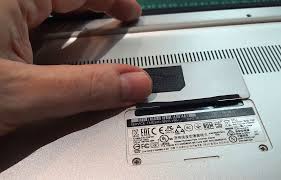
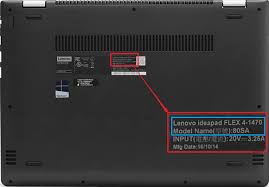
The first place to look for laptop information about model is right on the laptop itself. Often, there’s a sticker on the bottom or under the battery (if it’s removable). This sticker usually has the manufacturer’s name, the model number, and sometimes a serial number.
Keep an eye out for text that looks like a product name or a series name, like “Dell XPS 13” or “HP Spectre x360”. This is your starting point to identify the exact machine you have or are interested in.
Another easy place is the original box the laptop came in. Manufacturers usually print all the important specifications and model numbers on the packaging. If you’ve thrown away the box, don’t worry.
The next best step is to check the manufacturer’s website. Every major laptop brand has a support or product page where you can look up your model by its name or serial number.
You can also find this information on the laptop’s software. On Windows, you can search for “System Information” in the search bar. This tool will show you a lot of details about your computer, including the exact model name.
On a Mac, click the Apple logo in the top-left corner and select “About This Mac”. This will show you the model and year directly.
Decoding Model Numbers and Names
Laptop model numbers and names can seem like a secret code, but they often follow a pattern. Manufacturers use them to distinguish between different series, configurations, and generations of their laptops. For example, a “Dell Inspiron 15 5000” tells you it’s a Dell laptop from the Inspiron line, it has a 15-inch screen, and it’s part of the 5000 series, which usually indicates a mid-range option.
The numbers and letters in a model name often signify screen size, performance tier, or specific features. A “3000” series might be entry-level, a “5000” series mid-range, and a “7000” or higher series might be premium. Sometimes, an “X” or “S” in the name means it’s a more powerful or slimmed-down version.
Understanding these patterns can help you quickly gauge the general purpose and performance level of a laptop just by its name.
It’s also common to see variations within a model name, like “Inspiron 15 5502” versus “Inspiron 15 5510”. These variations often point to different internal components released in different years or with slight upgrades. Always look for the full, specific model number to get the most accurate laptop information about model.
Key Specifications to Look For
When you’re looking at laptop information about model, a few key specs stand out. The processor (CPU) is like the laptop’s brain, determining how fast it can think and perform tasks. Common brands are Intel (Core i3, i5, i7, i9) and AMD (Ryzen 3, 5, 7, 9).
Higher numbers generally mean more power.
Next is Random Access Memory (RAM). This is the laptop’s short-term memory, used for multitasking. More RAM means you can run more programs at once smoothly.
8GB is good for everyday tasks, while 16GB or more is better for demanding work like video editing or gaming.
Storage is where your files and programs are kept. You’ll see either a Hard Disk Drive (HDD) or a Solid State Drive (SSD). SSDs are much faster, making your laptop boot up quicker and load programs faster.
Capacity is measured in Gigabytes (GB) or Terabytes (TB). 256GB SSD is a common starting point.
The display is important for your viewing experience. Look at the screen size (in inches), resolution (like Full HD 1920×1080), and whether it’s a touchscreen. For graphics, check the graphics card (GPU).
Integrated graphics are built into the CPU and good for basic tasks. Dedicated graphics cards (like NVIDIA GeForce or AMD Radeon) are for gaming and heavy visual work.
Exploring Different Laptop Categories
Laptops aren’t one-size-fits-all. Manufacturers design them for different uses, and understanding these categories can help you find the right laptop information about model for your needs. Each type has its own strengths and compromises.
Knowing what you want to do with your laptop is the first step to picking the best category for you.
Once you know your general needs, you can focus on models within that category. For instance, if you’re a student, you might look for a lightweight laptop that has good battery life. If you’re a creative professional, you might prioritize a laptop with a powerful processor and a high-quality display.
This section will give you an overview of the most common types of laptops available today.
Everyday Use Laptops
These laptops are designed for common tasks like browsing the internet, checking emails, writing documents, watching videos, and light social media use. They usually offer a good balance of performance, portability, and price. You’ll find that the laptop information about model for these machines often lists Intel Core i3 or i5 processors, 8GB of RAM, and 256GB or 512GB SSD storage.
Screen sizes typically range from 13 to 15 inches, offering a comfortable viewing experience without being too bulky. Battery life is generally good, often lasting a full workday on a single charge. They might not have the most powerful graphics for gaming, but they are excellent companions for schoolwork or general home use.
Brands like Acer Aspire, HP Pavilion, and Dell Inspiron often have strong offerings in this category.
For example, a common configuration might be a 14-inch display, an Intel Core i5 processor, 8GB of RAM, and a 512GB SSD. This setup is more than capable of handling most daily computing needs smoothly. The weight is usually manageable, making them easy to carry around.
The cost is also typically more affordable compared to higher-end models.
Performance and Gaming Laptops
If you’re looking for power, these laptops are for you. Performance laptops are built for demanding tasks like video editing, 3D rendering, and running complex software. Gaming laptops are a subset of these, featuring high-end graphics cards (GPUs), powerful processors (CPUs), and fast refresh rate displays to handle the latest games.
The laptop information about model for these will highlight specs like Intel Core i7/i9 or AMD Ryzen 7/9 processors, 16GB or 32GB of RAM, and dedicated NVIDIA GeForce RTX or AMD Radeon RX graphics cards.
Storage is usually a fast SSD, often 1TB or larger, to accommodate large game files and project assets. Displays on gaming laptops often have refresh rates of 120Hz or higher, meaning the screen updates more times per second, resulting in smoother motion. This is a big advantage in fast-paced games.
A typical gaming laptop might feature a 15.6-inch 144Hz Full HD display, an Intel Core i7 processor, 16GB of RAM, and an NVIDIA GeForce RTX 3060 graphics card with 6GB of VRAM. These machines are powerful but also tend to be heavier, have shorter battery life, and can be more expensive. Brands like ASUS ROG, MSI, Alienware, and Razer are known for their performance and gaming laptops.
Ultraportable and Business Laptops
Ultraportables are all about being light and thin. They are perfect for people who travel a lot or need a laptop they can easily carry everywhere. The focus here is on portability and battery life.
Business laptops share some of these traits but also add features like enhanced security, durability, and better keyboards for long typing sessions. When you look at laptop information about model for these, expect to see Intel Core i5 or i7 processors, 8GB or 16GB of RAM, and SSDs for fast boot times.
These laptops often have smaller screens, typically 13 or 14 inches, and are made with premium materials like aluminum to keep the weight down. Battery life is a major selling point, often exceeding 10 hours. They might not have dedicated graphics cards, as their primary purpose isn’t gaming or heavy graphics work.
Examples include the Dell XPS 13, HP Spectre x360, Lenovo ThinkPad X1 Carbon, and Apple MacBook Air. These models are designed for professionals and frequent travelers who need a reliable, portable device that can handle productivity tasks efficiently. Their sleek design and long battery life make them popular choices.
Comparing Laptop Models Effectively
Comparing different laptop models can feel overwhelming with all the technical details. However, by focusing on a few key aspects, you can make an informed decision. The most important thing is to match the laptop’s specifications to how you plan to use it.
This means understanding what the laptop information about model tells you about its capabilities and limitations.
It’s not just about which laptop has the highest numbers. For example, a gaming laptop with a powerful graphics card might be overkill and too expensive if you only need it for writing essays. Conversely, a budget laptop might struggle to run the software you need for your work.
This section will guide you through a simple comparison process.
Using Specifications for Comparison
When you’re comparing two laptops side-by-side, start with the processor. If one has an Intel Core i7 and the other an i5, the i7 is generally more powerful. However, also consider the generation of the processor; a newer generation i5 might be faster than an older generation i7.
Look for the generation number, usually found after the “i” or “Ryzen,” like “11th Gen Intel Core i5” or “Ryzen 7 5800U.”
Next, look at RAM. For basic tasks, 8GB is usually enough. If you multitask a lot or use demanding applications, aim for 16GB.
More RAM allows your laptop to handle more tasks simultaneously without slowing down. It’s like having more desk space to spread out your work.
Storage speed and size are also critical. An SSD will always be faster than an HDD. If you have a choice between a 512GB SSD and a 1TB HDD, the 512GB SSD is often the better choice for overall system speed, even with less space.
Consider how much storage you really need for your apps, documents, and media files. Cloud storage can also supplement your laptop’s internal drive.
The display quality is another important factor, especially if you spend a lot of time looking at the screen. Check the resolution. Full HD (1920×1080) is the standard for good clarity.
If color accuracy is important for creative work, look for specifications related to color gamut coverage (like sRGB or DCI-P3). Brightness, measured in nits, also matters if you plan to use your laptop outdoors or in bright environments.
Real-World Performance Examples
Let’s consider two common scenarios when comparing laptop information about model. Scenario one: A student needs a laptop for note-taking, writing essays, and online research. They might compare an Acer Aspire 5 with an Intel Core i5, 8GB RAM, and 512GB SSD against a Lenovo IdeaPad 3 with an Intel Core i3, 8GB RAM, and 256GB SSD.
For this student, the Acer Aspire 5 offers a slight advantage with its larger SSD. This means more space for saving projects and installing additional software. Both have enough RAM and a capable processor for their needs.
The Acer is likely the better choice due to the storage capacity, offering more room for future needs without compromising performance for their tasks. The difference in processor (i5 vs i3) might not be very noticeable for these lighter tasks.
Scenario two: A graphic designer needs a laptop for photo editing and graphic design software. They might compare a MacBook Pro with an Apple M1 Pro chip, 16GB unified memory, and 1TB SSD against a Dell XPS 15 with an Intel Core i7, 16GB RAM, and 1TB SSD. Here, the comparison is more nuanced.
The MacBook Pro excels with its integrated “unified memory” and optimized software integration. The Apple M1 Pro chip is known for its efficiency and powerful performance in creative applications. The Dell XPS 15 offers a powerful Intel CPU and a dedicated NVIDIA GPU, which can be very beneficial for certain design tasks, especially if the software heavily relies on CUDA cores.
For a graphic designer, both are strong contenders. The choice might come down to software preference, operating system comfort, and specific application performance benchmarks. The laptop information about model for both will show ample RAM and fast storage, but the type of processor and graphics card plays a bigger role for this professional user.
Budget Considerations
Price is always a major factor when choosing a laptop. Generally, laptops with higher-end processors, more RAM, faster storage, and dedicated graphics cards will cost more. It’s important to set a budget before you start looking at laptop information about model.
This will help you narrow down your options and avoid getting tempted by models that are outside your price range.
Consider what features are “must-haves” and what are “nice-to-haves.” If you’re on a tight budget, you might have to compromise on certain specs. For example, you might opt for a smaller SSD or a processor that’s a step down from the top-tier model. However, always prioritize the components that are most important for your intended use.
For most people, a decent processor and sufficient RAM are more critical for everyday performance than the absolute latest graphics card.
Don’t forget to factor in the cost of accessories, software, and extended warranties. Sometimes, buying a slightly more expensive laptop upfront that meets your needs perfectly can save you money and frustration in the long run compared to buying a cheaper model that you quickly outgrow. Look for sales and discounts, especially during holiday seasons, as you can often find great deals on laptop models.
Common Myths Debunked
Myth 1: More RAM Always Means A Faster Laptop
While RAM is important for speed, especially when multitasking, simply having the most RAM doesn’t automatically make a laptop the fastest. The processor (CPU) and storage type (SSD vs. HDD) play equally, if not more, significant roles in overall performance.
If you have a very slow processor or a traditional hard drive, adding more RAM might not make a noticeable difference for many tasks.
Myth 2: You Need A Powerful Gaming Laptop For Everyday Tasks
This is not true. Gaming laptops have powerful components like dedicated graphics cards that are optimized for rendering complex 3D graphics. These components are often unnecessary and more expensive for simple tasks like browsing, emailing, or word processing.
A standard everyday laptop with integrated graphics is more than sufficient and will be more cost-effective and energy-efficient for these uses.
Myth 3: All Laptops From The Same Brand Are Similar
Brands like Dell, HP, or Lenovo offer a wide range of laptops across different series, each targeting different needs and price points. For instance, Dell’s Inspiron series is generally for everyday users, while their XPS series is for premium users, and Alienware is for gaming. The laptop information about model for each specific line will vary significantly.
It’s crucial to look at the specific model and its specs, not just the brand name.
Myth 4: Laptops With Touchscreens Are Always More Expensive
While touchscreens were once a premium feature, they are becoming increasingly common even on mid-range and budget-friendly laptops. Many manufacturers now offer touchscreen options across various series. The price difference between a similar model with and without a touchscreen has also decreased significantly, making it more accessible than it used to be.
Frequently Asked Questions
Question: How can I tell the exact model of my laptop if there’s no sticker?
Answer: On Windows, search for “System Information” in the start menu. It will show you the “System Model.” On a Mac, click the Apple logo in the top-left corner and select “About This Mac” to see the model name.
Question: What does “Gen” mean in a processor name like “11th Gen Intel Core i7”?
Answer: “Gen” stands for generation. It indicates how recent the processor is. Newer generations usually mean improved performance, better power efficiency, and updated features compared to older generations.
Question: Should I get more storage or more RAM if I can only afford one upgrade?
Answer: For most users, having enough RAM (8GB minimum, 16GB recommended for smoother multitasking) is more impactful on daily performance than having a massive amount of storage. If you have a lot of files or programs, consider cloud storage to supplement a smaller internal drive with adequate RAM.
Question: Is a high refresh rate screen important for someone who doesn’t play games?
Answer: Not usually. High refresh rates (like 120Hz or 144Hz) make motion look smoother, which is most beneficial in fast-paced video games. For general use like browsing, writing, or watching videos, a standard 60Hz screen is perfectly fine.
Question: What’s the difference between an SSD and an HDD?
Answer: An SSD (Solid State Drive) is much faster because it has no moving parts. It uses flash memory, like a USB drive. An HDD (Hard Disk Drive) is older technology that uses spinning disks to store data.
SSDs make laptops boot up faster, load apps quicker, and improve overall responsiveness.
Conclusion
Finding the right laptop information about model details is simpler than it seems. You’ve learned where to look for specs and what they mean. You can now understand processor power, RAM importance, and storage types.
This guide showed you how to compare laptops based on your needs and budget. Armed with this knowledge, you can confidently choose a laptop that fits you perfectly. Go find that ideal machine!